



Have you ever had the unsettling feeling that mice or rats might be sharing your home? If so, you’re not alone. Rodent problems are common for homeowners, and they can become much more than a minor inconvenience.
Mice and rats often look for warm, quiet, and undisturbed areas where they can build nests. Attics, wall voids, garages, storage areas, and even rarely used drawers can provide ideal hiding places. Once inside, rodents may use materials such as paper, insulation, drywall, fabric, and wood to build their nests.
Rodents are also well known for chewing. Because their teeth continue to grow throughout their lives, mice and rats constantly gnaw on objects to keep them worn down. Unfortunately, that can include parts of your home.
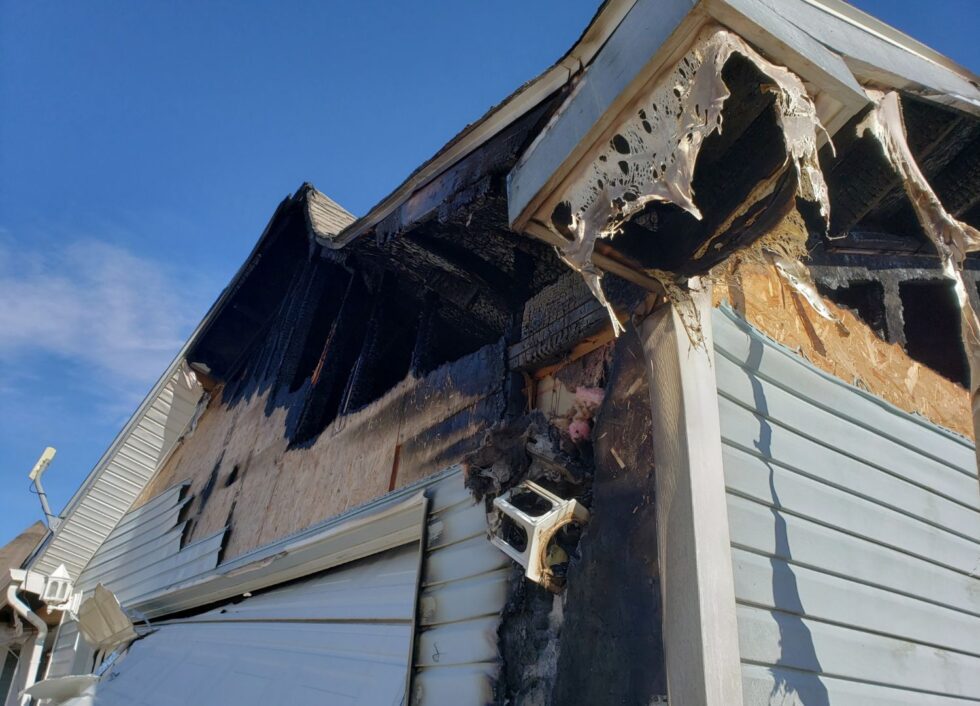
One of the biggest concerns is electrical wiring. Rodents may chew through the protective coating around wires, potentially creating electrical problems and increasing the risk of fire. Rodent-related electrical damage has been linked to a significant number of unexplained fires each year.

Mice and rats can also damage drywall, insulation, wood, stored belongings, and other materials throughout a home.
Beyond property damage, rodents can create health concerns. They can contaminate surfaces and food with urine, droppings, and nesting materials and may carry illnesses including salmonellosis, listeriosis, and hantavirus.
Facts About Mice and Rats
Rodents are small, but their biology makes them surprisingly difficult to control.
- Their teeth never stop growing. Constant chewing helps keep their teeth at a manageable length, which is one reason rodents can cause extensive damage inside a home.
- Mice reproduce quickly. Female mice can begin reproducing at a very young age and may produce several litters throughout the year. A small rodent problem can quickly become a larger infestation.
- Rats are considerably larger than mice. Because of their size and strength, even a small number of rats can cause significant damage.
- Mice can fit through extremely small openings. A mouse may be able to squeeze through a gap roughly 1/4 inch wide, making small cracks and openings around a home potential entry points.
Signs of a Mouse or Rat Infestation
You do not always have to see a mouse or rat to know that rodents are present. In many cases, homeowners notice evidence of activity before spotting the animal itself.
Droppings: Rodents regularly leave droppings behind as they travel. Fresh droppings around cabinets, pantries, garages, attics, or other hidden areas can indicate recent activity.
Strong odors: Rodent urine can produce a noticeable musty or unpleasant smell, particularly in areas where rodents are nesting or frequently traveling.
Gnaw marks or holes: Look for damage to walls, food packaging, wood, wiring, insulation, or other materials. Small openings around walls or cabinets may also indicate possible rodent entry points.
Grease marks: Mice and rats often travel along walls and other barriers. Over time, oils and dirt from their fur can leave dark smudge marks along frequently used routes.
Scratching or scampering sounds: Rodents are often most active at night. Scratching, chewing, or movement inside walls, ceilings, or attics may be a sign of activity.
If you live in Colorado, you can also read our guide to mice in the Denver area and how to prevent them.
How to Help Keep Mice and Rats Away
Rodent prevention starts by making your home less attractive and more difficult to enter.
- Eliminate food sources. Store pet food and pantry items in sealed containers, clean floors and countertops regularly, pick up fallen fruit around fruit trees, and keep garbage properly contained.
- Seal potential entry points. Inspect the exterior of your home for cracks, holes, gaps, and other openings rodents may use to get inside.
- Keep exterior doors closed. Avoid leaving garage doors, exterior doors, or other entrances open unnecessarily.
- Reduce clutter. Storage areas, garages, basements, and attics can provide excellent hiding and nesting areas for rodents.
- Use traps correctly. Properly placed mouse traps can help control minor rodent activity when used according to instructions.
Don’t Ignore a Rodent Problem
If you discover a mouse or rat inside your home, it is best to address the problem quickly. Rodents reproduce rapidly, and what begins as a small problem can become significantly more difficult to control over time.
Removing the rodents is only part of the solution. Identifying where they are entering, removing food sources, and sealing access points can help prevent the problem from returning.
If you are dealing with mice or rats and need help identifying or eliminating the problem, contact AIMVO Pest Control to learn more about professional rodent control options.