



Scorpion hunting in Arizona can be an exciting nighttime activity for residents, visitors, and nature enthusiasts. With the right equipment and a little knowledge of scorpion behavior, you can learn how to spot these fascinating desert creatures while taking precautions to stay safe. Scorpion hunting can also help homeowners identify areas around their property where scorpions may be hiding.
Arizona is home to approximately 40–60 scorpion species, but not all pose the same level of risk to people. Knowing which species you might encounter, when scorpions are most active, and where they tend to hide can make your experience more productive and safer.
In this guide, we’ll cover common Arizona scorpions, essential hunting equipment, the best times and places to look, safety precautions, and ways to reduce scorpion activity around your home.
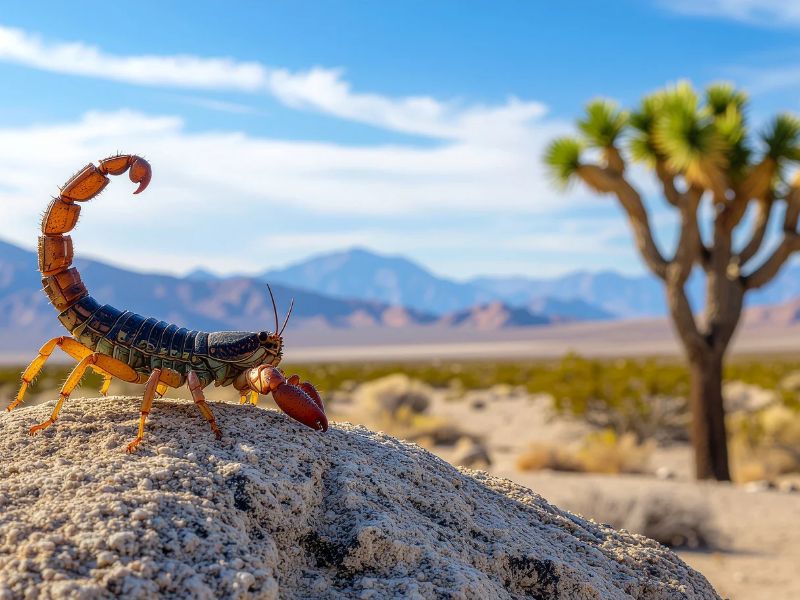
Getting to Know Arizona’s Scorpions
Before going scorpion hunting in Arizona, it’s important to understand the types of scorpions you may encounter and the environments they prefer. Scorpions are nocturnal arachnids that generally spend daylight hours hiding in sheltered locations. At night, they emerge to hunt insects and other small prey.
Although scorpions are a natural part of Arizona’s desert ecosystem, some species can pose a medical risk if they sting. The Arizona bark scorpion is the primary species of medical concern in the state, so it’s important to avoid touching or attempting to handle any scorpion you find.
For more information, readers can also explore AIMVO Pest Control’s guide to scorpions in Arizona.
Common Scorpions in Arizona
Several scorpion species may be encountered during a nighttime search. Identifying these species is a very important part of scorpion hunting in Arizona because their appearance, habitats, and potential risks can differ. Here are three commonly recognized Arizona species:
Arizona Bark Scorpion
- Appearance: A relatively slender, light tan to yellowish scorpion, typically around 2–3 inches long.
- Habitat: Commonly hides in narrow cracks, tree bark, rocks, hollow-block walls, and other sheltered spaces. It can also climb walls and enter buildings through small openings.
- Venom: Its sting can cause intense pain, tingling, numbness, and other symptoms. Severe reactions are possible, particularly in young children.
- Hunting tip: Check walls, block fences, tree trunks, and other vertical surfaces with a UV flashlight. Bark scorpions are skilled climbers, so don’t limit your search to the ground.
The Arizona bark scorpion is especially important to recognize when hunting near homes. If you see one indoors repeatedly, consider having a pest management professional assess the property.
Desert Hairy Scorpion
- Appearance: One of the largest scorpions in North America, with a broad body, noticeable pincers, and sensory hairs.
- Habitat: Often associated with dry desert environments, sandy ground, rocks, and sheltered areas.
- Venom: Its sting can be painful, although it is generally considered less medically significant than the Arizona bark scorpion’s sting.
- Hunting tip: Scan the ground, sandy areas, and spaces around rocks or other natural cover. Avoid putting your hands beneath rocks or debris.
Its larger size can make the desert hairy scorpion easier to notice, but its coloring may blend into the surrounding terrain.
Striped-Tail Scorpion
- Appearance: A small to medium-sized scorpion with darker stripes across its tail.
- Habitat: May be found beneath rocks and debris, in dry landscapes, and in sheltered ground-level spaces.
- Venom: Its sting can cause pain and localized symptoms. As with any scorpion, avoid direct contact.
- Hunting tip: Use your UV light to scan the ground around rocks, landscaping materials, and other potential hiding places.
The striped-tail scorpion is also sometimes called the devil scorpion. Its behavior and preferred hiding places can vary depending on the species and local conditions.
Interesting Facts About Scorpions
Scorpions have several adaptations that make nighttime searching interesting:
- They glow under ultraviolet light. Compounds in their outer body covering cause most scorpions to fluoresce under UV light, making them much easier to spot after dark.
- They are primarily nocturnal. Many scorpions become active at night when they search for prey.
- They can survive harsh conditions. Scorpions are adapted to dry environments and can reduce their activity when conditions are unfavorable.
- They help control insect populations. Scorpions prey on insects and other small arthropods, making them part of the natural ecosystem.
- Some species carry their young. Female scorpions carry their newborn offspring on their backs until the young are ready to disperse.
Understanding these behaviors can help you know what to look for during scorpion hunting in Arizona.
Essential Gear for Scorpion Hunting in Arizona
Having the right equipment makes nighttime scorpion hunting easier and helps reduce the risk of an accidental sting. Before heading outside, check that your equipment is working and that you can safely navigate the area.
1. UV Flashlight
A UV flashlight, also known as a black light, is one of the most useful tools for scorpion hunting in Arizona. Scorpions typically glow blue-green under ultraviolet light, making them easier to see against dark ground, walls, and rocks.
Tip: Choose a reliable UV flashlight with enough range to inspect your surroundings without getting too close. Never look directly into the UV beam, and follow the manufacturer’s safety instructions.
2. Protective Clothing
Wear closed-toe shoes or sturdy boots, long pants, and appropriate outdoor clothing. These items can help protect you from accidental contact with scorpions, sharp rocks, thorny plants, and other hazards.
Tip: Avoid walking barefoot outdoors at night. Keep your footwear on while searching, and inspect shoes before putting them on if they’ve been left outside.
3. Long-Handled Tongs or Forceps
Long-handled tongs can help trained or experienced individuals move a scorpion without reaching toward it with their hands. However, using tongs does not eliminate the risk of a sting.
Tip: If you aren’t familiar with safely handling scorpions, observe them from a distance or take a photograph instead of trying to capture them. Never use your bare hands.
4. A Secure Container
If you intend to collect a scorpion, a sturdy container with a secure lid is essential. A container that can be closed firmly helps prevent escape during transport.
Tip: Don’t attempt to place a scorpion into a container by hand. If you are uncertain about the species or how to collect it safely, leave it undisturbed and seek professional guidance.
5. Headlamp or Hands-Free Light
A headlamp can help you navigate uneven ground while keeping your hands free to use your UV flashlight or other equipment.
Tip: Use sufficient visible light to see where you’re walking. Watch for loose rocks, holes, cactus spines, and other desert hazards.
6. Water and a Charged Phone
Arizona’s climate can be hot even when nighttime temperatures feel comfortable. Bring drinking water, keep your phone charged, and let someone know where you plan to search if you’re heading into a remote area.
Tip: Avoid searching unfamiliar terrain alone, and don’t enter private property or restricted areas without permission.
Preparing Your Gear
Before you leave, check your flashlight batteries, inspect your footwear, and make sure you have enough water. If you plan to explore a natural area, check local access rules and avoid disturbing wildlife or damaging the environment.
Finding Scorpions in Arizona
Knowing when and where to look can improve your chances of spotting scorpions without unnecessary risks.
Best Time for Scorpion Hunting
Nighttime is generally the best time for scorpion hunting in Arizona because scorpions are less active during daylight hours. Activity often increases during the warmer months, especially around late spring and summer.
The University of Arizona recommends conducting UV-light searches during summer evenings, particularly between approximately 8 p.m. and 11 p.m. Weather, local habitat, and the species present can all influence how many scorpions you see.
Scorpions may also be encountered following summer rains, when water movement or changing conditions affect their usual hiding places.
Where to Look for Scorpions
Natural habitats: Search visually around rocks, tree bark, cracks, and other sheltered spaces. Use your flashlight to inspect the surfaces without putting your hands underneath objects.
Walls and fences: Arizona bark scorpions can climb. Check block walls, exterior walls, and other vertical surfaces, particularly near landscaping.
Landscaping and outdoor clutter: Woodpiles, bricks, boards, pots, and accumulated debris can create places where scorpions hide. Inspect these areas carefully rather than moving items with your hands.
Around homes: Garages, patios, exterior doorways, and gaps around the building may be worth inspecting if scorpions have been seen nearby. If you find them inside repeatedly, focus on entry-point prevention rather than relying only on nighttime hunting.
Always respect property boundaries, and avoid reaching into dark gaps or enclosed spaces where a scorpion could be hiding.
How to Spot Scorpions Using a UV Flashlight
One of the easiest ways to locate scorpions is to scan an area slowly with a UV flashlight.
- Start after dark. Choose a safe, familiar area and ensure you have enough visible light to move around.
- Scan surfaces systematically. Move the UV beam across the ground, walls, rocks, and other potential hiding places.
- Look for a blue-green glow. Scorpions often stand out under UV light, even when their natural coloring blends into the environment.
- Keep your distance. Once you spot a scorpion, avoid approaching it closely or touching it.
- Record what you find. If you’re monitoring scorpion activity around your property, note the location and take a photograph from a safe distance.
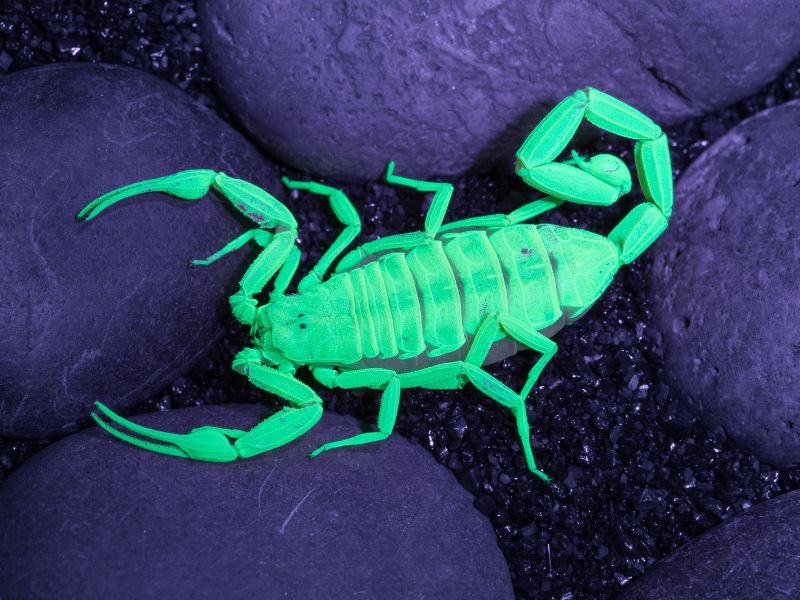
Repeated nighttime inspections may help you identify where scorpions are appearing most often. However, seeing fewer scorpions during one search doesn’t necessarily mean the surrounding population has disappeared.
Scorpion Hunting Safety: Dos and Don’ts
Scorpion hunting in Arizona should always prioritize safety over the number of scorpions you find.
Do:
- Wear sturdy footwear and suitable outdoor clothing.
- Use a UV flashlight to inspect areas from a distance.
- Watch where you place your feet and hands.
- Check shoes, towels, and clothing that have been left on the ground.
- Teach children not to touch scorpions and to notify an adult if they see one.
- Keep your phone available in case you need assistance.
Don’t:
- Attempt to pick up a scorpion with your bare hands.
- Reach beneath rocks, boards, or debris without knowing what’s underneath.
- Assume a small scorpion is harmless.
- Handle a scorpion just to get a closer photograph.
- Allow children or pets to approach a scorpion.
- Assume that finding and removing a few scorpions will eliminate an infestation.
Scorpions generally try to hide or escape rather than seek out people, but accidental contact can still result in a sting. Keeping a safe distance is the best approach.
How to Reduce Scorpion Activity Around Your Home
Scorpion hunting can help you identify activity around your property, but prevention is important if you want to reduce the chance of scorpions entering your home.
Seal Entry Points
Inspect exterior doors, window screens, weather stripping, and door sweeps. Repair gaps around pipes and other utility openings where appropriate. Small openings can provide access to sheltered areas inside a building.
Remove Hiding Places
Keep woodpiles, loose boards, rocks, bricks, and unnecessary clutter away from the home’s exterior. Store materials neatly and avoid creating undisturbed hiding places close to entry points.
Maintain Landscaping
Trim bushes and tree branches away from the structure, and keep grass and ground cover near the building maintained. Reducing clutter and dense vegetation immediately beside walls can make the area less attractive as a hiding place.
Reduce Other Pest Activity
Scorpions feed on insects and other small arthropods. Good sanitation, sensible outdoor lighting practices, and appropriate insect management can help reduce available prey. However, removing insects alone will not guarantee that scorpions leave the area.
Inspect Shoes and Outdoor Items
Before putting on shoes or using towels, clothing, and camping equipment that have been left on the ground, inspect them carefully. This is particularly important when staying in areas where scorpions are common.
Don’t Rely on Spraying Alone
Scorpions can be difficult to manage with pesticides alone because they hide in cracks, crevices, and other protected locations. Exclusion, habitat modification, monitoring, and appropriate pest management should work together.
For additional advice, consult the University of Arizona Cooperative Extension’s resources on scorpion management and home pest-proofing.
When to Call a Professional for Scorpion Control
Occasional outdoor sightings don’t necessarily mean a property has an infestation. However, repeated sightings indoors, multiple scorpions around entryways, or concerns about children and pets may justify a professional inspection.
A pest management professional can help identify areas of activity, inspect possible entry points, and recommend a strategy suited to the property.
How AIMVO Pest Control Can Help
AIMVO Pest Control provides scorpion control services to help property owners address scorpion activity and reduce the risk of encounters around their homes or buildings.
Professional service may include:
- Inspection: Identifying likely hiding places, activity patterns, and potential entry points.
- Prevention recommendations: Advising on sealing gaps, reducing outdoor clutter, and making landscaping less favorable to scorpions.
- Targeted pest management: Recommending appropriate treatment and monitoring based on the property and the level of activity.
- Ongoing guidance: Helping homeowners understand practical steps to reduce future encounters.
Because scorpions are difficult to eliminate with pesticides alone, a thorough approach should address both the scorpions and the conditions that allow them to shelter near a building.
If you’re repeatedly finding scorpions inside your home, contacting a qualified pest management professional can help you determine the most appropriate next steps.
What to Do If a Scorpion Stings You
Even with precautions, an accidental sting is possible. Wash the affected area with soap and water and apply a cool compress for short intervals.
Contact the Arizona Poison and Drug Information Center at 1-800-222-1222 for guidance. Seek emergency medical assistance for severe symptoms, breathing difficulties, unusual eye movements, loss of muscle control, or other concerning reactions. A sting involving a young child warrants particular caution and prompt medical advice.
Do not attempt to treat a serious sting on your own or delay seeking help while trying to identify the scorpion.
Ready to Start Scorpion Hunting in Arizona?
Scorpion hunting in Arizona offers a unique way to learn about desert wildlife and better understand the creatures that may live around your property. With a UV flashlight, suitable clothing, careful observation, and a safety-first approach, you can explore scorpion activity without putting yourself at unnecessary risk.
If your goal is to reduce scorpions around your home, remember that hunting alone may not address the reasons they are appearing. Sealing entry points, removing outdoor hiding places, maintaining landscaping, and managing other pests can all help reduce the chance of encounters.
If you’re dealing with recurring scorpion activity, AIMVO Pest Control can help you explore professional scorpion control options and identify practical ways to protect your property.
Contact AIMVO Pest Control to learn more about scorpion control services and prevention strategies for your Arizona property.