



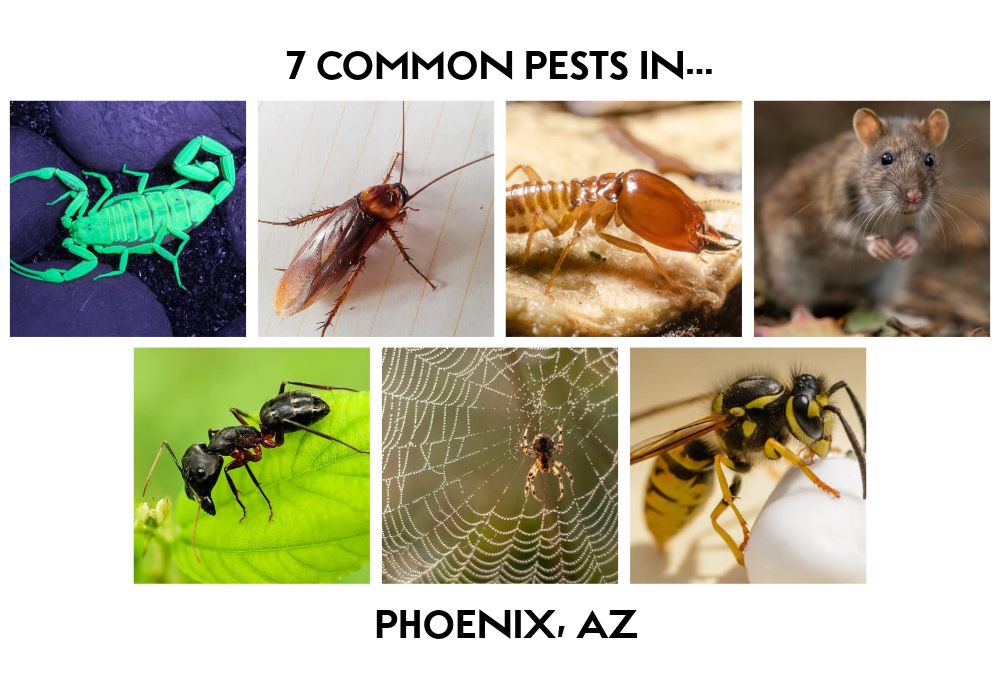
Phoenix, Arizona, is known for its beautiful desert landscapes, hot summers, and sunshine throughout most of the year. Unfortunately, the same conditions that make Phoenix such a unique place to live also create an environment where many pests can thrive.
From scorpions hiding in backyard landscaping to termites quietly damaging homes, pest problems are something many Phoenix homeowners encounter.
Understanding the common pests in Phoenix is one of the best ways to protect your property and prevent infestations before they become serious. Some pests are simply a nuisance, while others can cause structural damage, contaminate food, or create health concerns for your family.

Phoenix sits in the heart of the Sonoran Desert, an ecosystem that’s home to a wide variety of insects, arachnids, and other wildlife. Unlike areas of the country that experience prolonged freezing temperatures, Phoenix has relatively mild winters. As a result, pest activity can continue throughout much of the year.
Although desert environments might seem too hot and dry for many pests, numerous species have adapted to survive these challenging conditions.
Several factors contribute to pest activity in Phoenix:
- Warm temperatures: Many insects remain active for much of the year, particularly in sheltered environments.
- Residential irrigation: Water from sprinklers, irrigation systems, and leaking pipes can attract moisture-seeking pests.
- Desert landscaping: Rocks, block walls, plants, and outdoor structures provide hiding places for scorpions, spiders, and other pests.
- Urban development: As neighborhoods expand, homes and businesses increasingly share space with native desert wildlife.
- Mild winters: Without extended periods of freezing weather, many pest populations can remain active throughout the colder months.
These conditions make ongoing pest prevention especially important for homeowners throughout Phoenix and the surrounding Valley.
These Are The Most Common Pests in Phoenix
1. Scorpions: One of Phoenix’s Most Concerning Pests
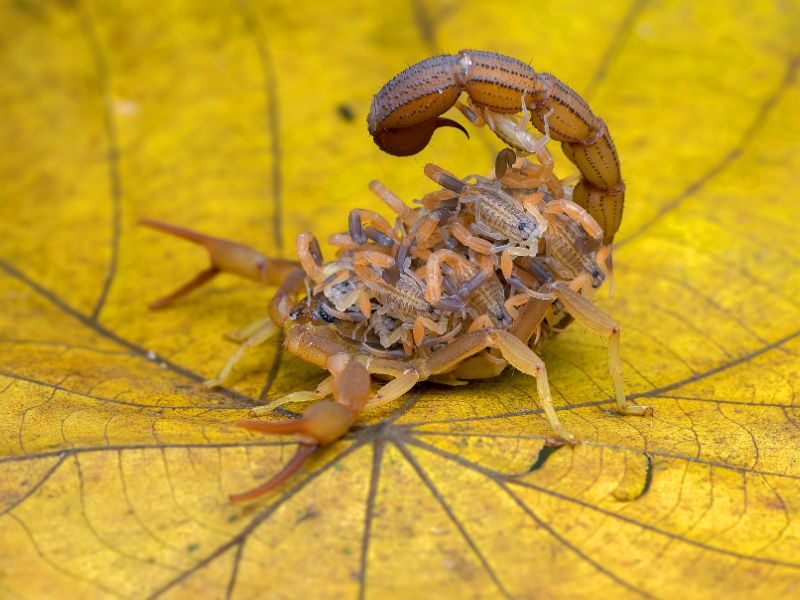
Scorpions are among the most recognizable and concerning pests in Phoenix.
Arizona is home to numerous scorpion species, but the Arizona bark scorpion deserves particular attention because of its medically significant venom.
Bark scorpions are relatively small, typically measuring a few inches in length. Their light coloring can make them difficult to notice against desert landscaping, concrete, or interior flooring.
They’re primarily nocturnal, spending daylight hours hiding in protected areas before emerging at night to hunt insects and other small creatures.
Where Do Scorpions Hide?
Around Phoenix homes, scorpions are commonly found in:
- Cracks and crevices in block walls
- Landscaping rocks and decorative stone
- Woodpiles and outdoor storage areas
- Garages and sheds
- Beneath patio furniture
- Shoes, clothing, and boxes left undisturbed
Scorpions can also enter homes through small openings around doors, windows, and utility penetrations.
An interesting characteristic of scorpions is that they glow under ultraviolet light. This makes UV flashlights useful for identifying scorpion activity around a property after dark.
How to Prevent Scorpions in Phoenix
Reducing scorpion activity requires more than simply eliminating the scorpions you can see.
Scorpions feed on insects, meaning a property with large populations of crickets, cockroaches, or other pests may provide an attractive food source.
To reduce scorpion activity:
- Seal gaps around doors, windows, and exterior walls.
- Install properly fitting door sweeps.
- Remove woodpiles, rocks, and unnecessary debris near the foundation.
- Reduce insect activity around the property.
- Inspect shoes and other items stored in garages or outdoors.
- Consider professional scorpion management if sightings become frequent.
Because scorpions can be difficult to control through pesticides alone, exclusion and habitat reduction are particularly important.
Learn more in our complete guide to scorpions in Arizona.
2. Cockroaches: Persistent Household Pests
Cockroaches are another common pest in Phoenix, particularly in homes and buildings where they can find moisture, food, and shelter.
Although cockroaches are often associated with humid environments, several species have adapted well to Arizona’s urban landscape.
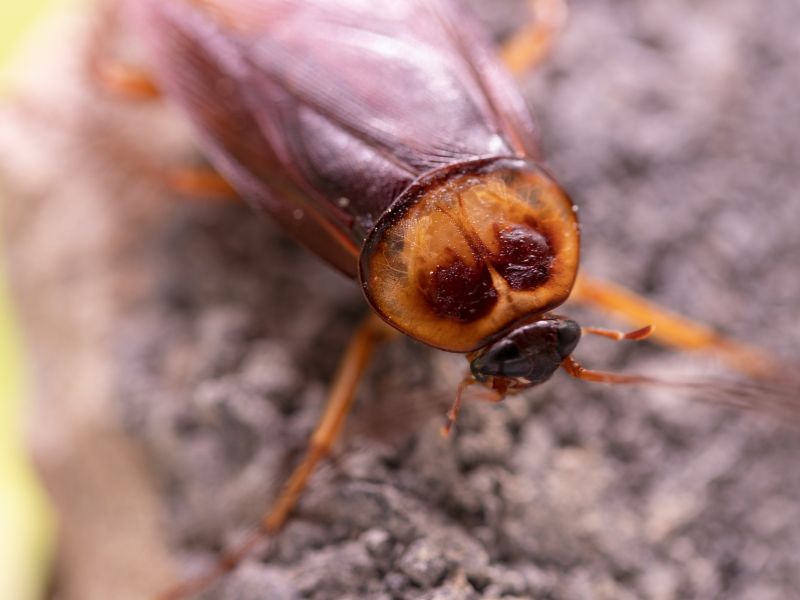
German cockroaches and American cockroaches are two types homeowners may encounter.
German cockroaches are especially problematic indoors because they reproduce quickly and can establish infestations in kitchens, bathrooms, and other sheltered locations.
American cockroaches are much larger and are often associated with sewers, drains, and damp outdoor environments.
Signs of a Cockroach Infestation
Cockroaches prefer dark, protected spaces, so homeowners may not immediately realize an infestation is developing.
Warning signs include:
- Cockroaches appearing in kitchens or bathrooms
- Small droppings near cabinets or appliances
- Egg cases in hidden areas
- Unpleasant odors associated with larger infestations
- Increased insect activity at night
Cockroaches are more than an unpleasant sight. They can contaminate food-contact surfaces and contribute to allergy and asthma problems.
How to Prevent Cockroaches in Phoenix
Because cockroaches depend on food, water, and shelter, reducing access to these resources is essential.
Keep kitchens clean, store food in sealed containers, repair plumbing leaks, and avoid leaving pet food exposed overnight.
It’s also important to address moisture around exterior drains, irrigation systems, and other damp areas.
For larger infestations, professional cockroach treatments may include targeted baits, monitoring, and applications to appropriate hiding areas.
Simply spraying visible cockroaches may not eliminate the source of an infestation.
Read our article about cockroach infestations and how to deal with them.
3. Termites: The Silent Destroyers of Phoenix Homes
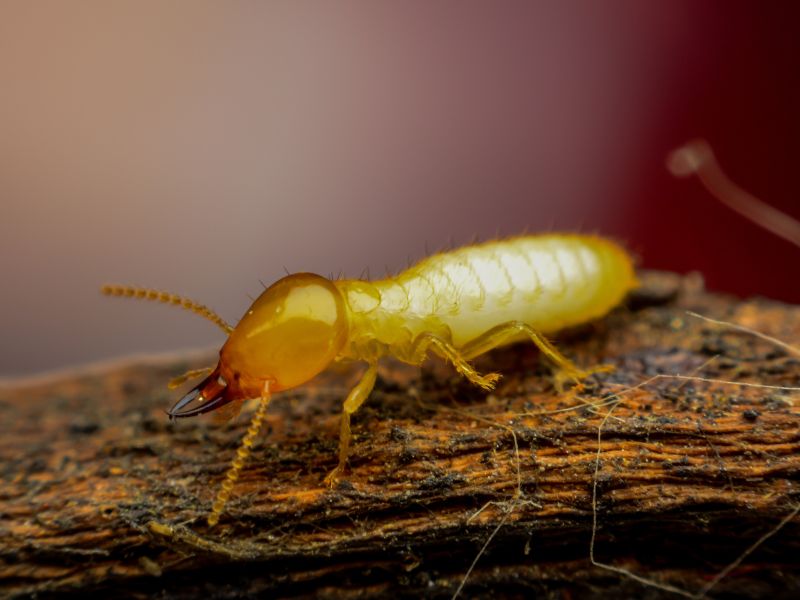
Termites are among the most damaging common pests in Phoenix because they can compromise wooden structures without producing obvious signs of activity.
Subterranean termites are a significant concern throughout Arizona.
These termites typically live underground and travel through soil or protective mud tubes to reach wood and other cellulose materials.
Once they establish access to a structure, they can continue feeding while remaining largely hidden from view.
Signs of Termites in Your Home
Termite activity isn’t always easy to identify.
Some warning signs include:
- Mud tubes along foundations or walls
- Damaged wooden trim or structural materials
- Discarded wings near windows or doors
- Swarming termites
- Unexplained damage to wood
A common misconception is that homes built on concrete slabs are protected from termites.
However, subterranean termites can enter through cracks, expansion joints, plumbing penetrations, and other openings.
Even newer homes can experience termite activity under the right conditions.
How to Prevent Termite Damage
Termite prevention begins with reducing conditions that make a property attractive or accessible to these insects.
Homeowners should:
- Repair leaking faucets and irrigation lines.
- Avoid allowing water to accumulate near foundations.
- Keep firewood and stored lumber away from the house.
- Reduce wood-to-soil contact where possible.
- Avoid covering visible foundation areas with excessive soil or landscaping materials.
- Schedule professional inspections when termite activity is suspected.
Because termite infestations often develop out of sight, professional inspections and specialized treatments can be particularly valuable.
Termite control may require baiting systems, liquid treatments, or other approaches designed specifically for the termite species and property.
Learn more about termites and the damage they can cause.
4. Rodents: Mice and Rats
Rodents are another concern for homeowners throughout Phoenix.
Rats and mice are resourceful animals capable of finding food, water, and shelter in residential neighborhoods.
Attics, garages, wall voids, and storage areas are particularly attractive locations for nesting.
Some rodent species are excellent climbers and may gain access to homes through rooflines, tree branches, or openings around vents and utilities.
Why Are Rodents a Problem?
Rodents can cause damage and create health concerns.
They may chew through electrical wiring, damage insulation, contaminate food, and leave droppings or urine in living spaces.
Common signs of rodent activity include:
- Scratching or movement sounds in ceilings and walls
- Droppings in garages, attics, or cabinets
- Chewed food packaging
- Gnaw marks on stored belongings
- Nesting materials in secluded areas
Rodents also reproduce quickly, meaning a small problem can become more difficult to manage if left untreated.
How to Prevent Rodents in Phoenix
The most effective rodent prevention strategies focus on removing food sources and closing entry points.
Start by inspecting the exterior of your home for openings.
Seal accessible gaps using rodent-resistant materials, and ensure vents and other openings are properly protected without obstructing necessary airflow.
Store pet food and birdseed in secure containers, remove fallen fruit from landscaping, and keep outdoor garbage bins closed.
Trimming branches away from your roof can also help reduce access for climbing rodents.
When an infestation is already established, professional rodent control may include inspection, trapping, exclusion, and recommendations for cleanup.
Learn more about mice and rats.

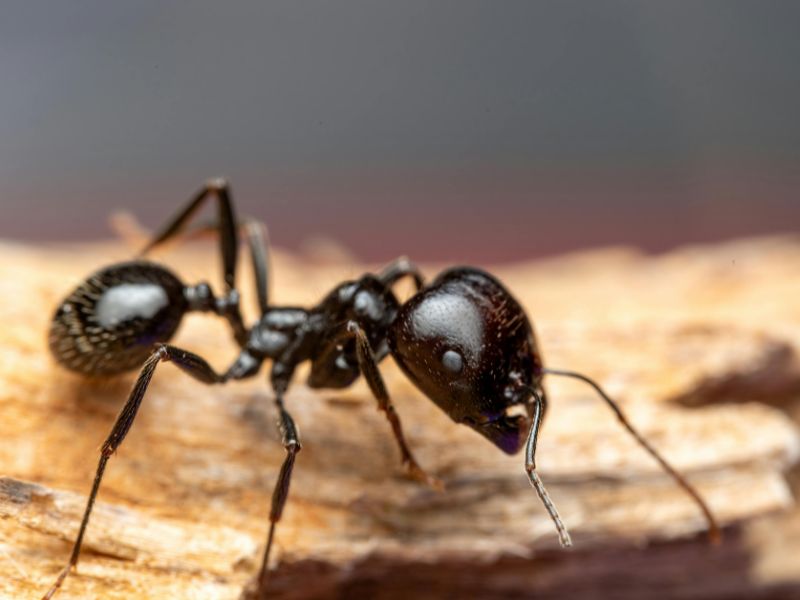
5. Ants: Small Pests That Can Become a Big Problem
Ants are among the most frequently encountered household pests in Phoenix.
Although many species don’t present significant health concerns, they can quickly become a nuisance when they establish trails into kitchens, pantries, bathrooms, and other indoor spaces.
Ant colonies are often located outside, with worker ants entering homes in search of food and water.
Even tiny crumbs or spills can attract ants, and repeated activity may indicate a nearby colony.
Why Do Ants Enter Phoenix Homes?
Ants may be attracted to:
- Food scraps and sugary substances
- Pet food
- Moisture around sinks and plumbing
- Irrigated landscaping
- Cracks and openings around foundations
- Accessible food in pantries and cabinets
Different ant species behave differently, making proper identification an important part of effective treatment.
How to Prevent Ant Infestations
Keeping food and moisture under control is one of the best ways to discourage ants.
Clean countertops regularly, wipe up spills, and store food in tightly sealed containers.
Inspect your home’s exterior for cracks and openings that may provide access.
If ants continue appearing after basic prevention efforts, locating and addressing the colony may be necessary.
Professional ant control can involve species-specific baiting, targeted treatments, and recommendations for reducing conditions that support colonies.
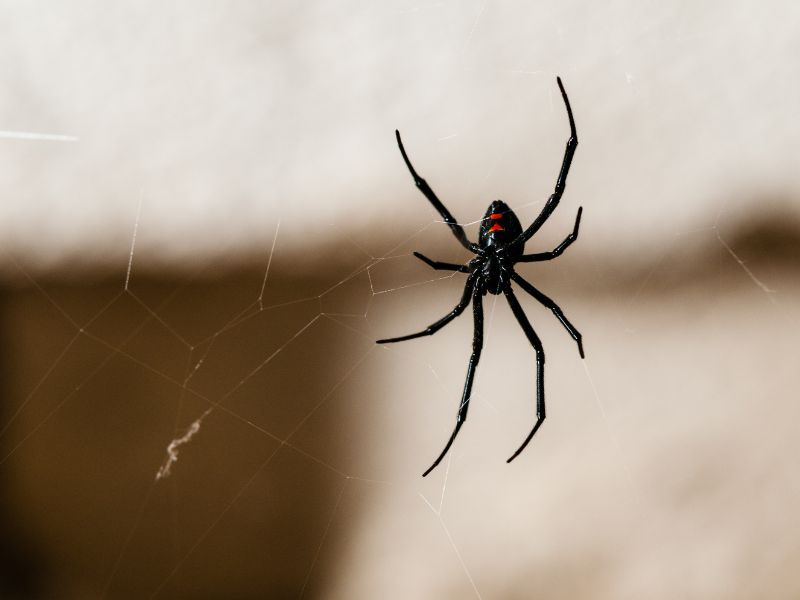
6. Spiders: Common Around Phoenix Homes and Landscaping
Phoenix is home to numerous spider species.
Most spiders are beneficial predators that feed on insects and help maintain ecological balance.
However, their presence inside homes, garages, and patios can be unsettling, particularly when medically significant species are involved.
Black widow spiders, for example, are found in Arizona and can pose a health concern.
Where Are Spiders Commonly Found?
Spiders tend to occupy areas where they can find shelter and prey.
Around homes, these locations often include:
- Garages and storage rooms
- Outdoor furniture
- Window frames
- Roof eaves
- Woodpiles
- Undisturbed corners of buildings
- Areas near exterior lighting
Some spiders build visible webs, while others hunt without constructing traditional capture webs.
How to Reduce Spider Activity
Reducing spider activity often begins with controlling the insects that serve as their food source.
Regularly remove unnecessary webs, reduce clutter, and inspect storage areas.
Keep window screens in good condition and seal accessible openings.
Outdoor lighting can attract insects, which may indirectly attract spiders. Adjusting unnecessary lighting or its placement may help reduce activity around entryways.
If spiders frequently appear indoors, professional pest control can help identify contributing conditions and recommend appropriate treatment.
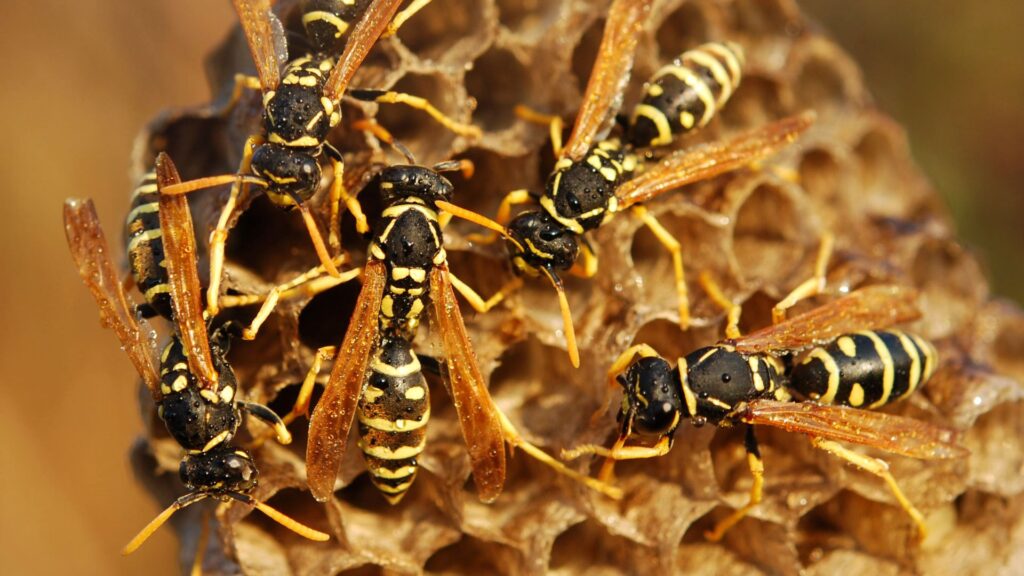
7. Wasps: A Common Problem Around Patios and Outdoor Areas
Wasps are another common pest around Phoenix homes, particularly during warmer months.
These insects can build nests beneath roof eaves, around patios, inside outdoor structures, and in other protected areas.
Although wasps can be beneficial predators of other insects, nests located near doors, walkways, and outdoor gathering areas may create a risk of stings.
Where Do Wasps Build Nests?
Depending on the species, wasps may build nests in:
- Roof eaves and overhangs
- Covered patios
- Sheds and outdoor storage areas
- Wall voids
- Protected corners of buildings
- Trees and shrubs
Some species are more defensive around their nests than others.
How to Prevent Wasp Problems
Inspect rooflines, patio covers, and other sheltered areas for developing nests.
Keep outdoor garbage containers closed and avoid leaving food or sugary drinks exposed.
If you discover an active nest near a frequently used area, avoid disturbing it.
Attempting to remove a large or difficult-to-reach nest can increase the risk of multiple stings.
Professional wasp control can help address nests when their location presents a safety concern.
When Are Pests Most Active in Phoenix?
While many pests remain active throughout the year, seasonal weather changes influence their behavior.
Understanding these patterns can help homeowners anticipate common pest problems.
| Season | Common Pest Concerns |
|---|---|
| Spring | Ants, termites, spiders, increasing insect activity |
| Summer | Scorpions, cockroaches, ants, wasps |
| Monsoon season | Cockroaches, termite swarms, ants, mosquitoes |
| Fall | Rodents, spiders, lingering insect activity |
| Winter | Rodents, sheltered cockroaches, indoor pest activity |
These patterns are general rather than fixed. Pest activity varies based on temperature, rainfall, landscaping, and the individual property.
Why Monsoon Season Matters
Phoenix’s summer monsoon season can have a significant influence on pest activity.
Rainfall can disturb insect habitats, while additional moisture creates conditions that benefit certain species.
Cockroaches may become more noticeable, and termite or ant swarms can occur following favorable weather conditions.
Standing water after storms can also encourage mosquito breeding.
Homeowners should inspect drainage areas, eliminate standing water, and watch for changes in pest activity during this period.
7 Ways to Prevent Common Pests in Phoenix
Knowing which pests are common in Phoenix is helpful, but prevention is where homeowners can make the greatest difference.
Fortunately, many preventative measures are simple and can be incorporated into regular home maintenance.
1. Seal Exterior Cracks and Gaps
Inspect your home for openings around windows, doors, plumbing, and utility lines.
Use appropriate sealing materials to close entry points and replace damaged weatherstripping.
2. Keep Landscaping Maintained
Trim shrubs and branches away from exterior walls and roofs.
Remove unnecessary debris and avoid storing wood directly against the house.
3. Repair Moisture Problems
Fix leaking pipes, outdoor faucets, and irrigation systems.
Reduce unnecessary standing water and ensure drainage moves water away from the foundation.
4. Store Food Properly
Keep pantry food and pet food in sealed containers.
Clean spills promptly and remove crumbs from kitchen surfaces and floors.
5. Reduce Outdoor Clutter
Organize garages, sheds, and storage areas.
Scorpions, spiders, and rodents often use undisturbed materials as shelter.
6. Inspect Your Property Regularly
Watch for pest activity, droppings, mud tubes, damaged wood, nests, and unusual sounds.
Early identification can prevent small issues from becoming larger problems.
7. Consider Professional Pest Control
When pests continue returning or an infestation becomes difficult to manage, a professional inspection can help identify the underlying cause.
A combination of prevention, exclusion, monitoring, and targeted treatments generally provides a more complete approach than relying on pesticides alone.
DIY Pest Control vs. Professional Pest Control in Phoenix
Many homeowners begin addressing pest problems with store-bought products.
For occasional pests, basic sanitation, sealing openings, and other preventative measures may be enough.
However, some infestations are difficult to resolve without identifying the source.
Termites can remain concealed in structures, cockroaches may establish populations behind appliances or inside cabinets, and rodents can nest in inaccessible spaces.
Scorpion activity may persist when insect populations and hiding places remain abundant.
Professional pest control offers several benefits, including accurate identification, property inspections, targeted treatment recommendations, and guidance on reducing future pest activity.
The most effective approach depends on the pest involved.
For example, termites typically require specialized management, while scorpion control places considerable emphasis on exclusion and reducing suitable habitats.
How Often Should You Schedule Pest Control in Phoenix?
One common question among Phoenix homeowners is how frequently professional pest control services should be scheduled.
The answer depends on the type of pest, property conditions, infestation history, and treatment methods.
Quarterly service is a common option for general preventative pest control.
However, some properties may require additional attention, particularly when experiencing recurring infestations or specialized problems.
A home with occasional ants may have very different needs from one dealing with active German cockroaches or subterranean termites.
A qualified pest control professional can evaluate the property and recommend an appropriate treatment and maintenance schedule.
Professional Pest Control in Phoenix With AIMVO
Even with good prevention habits, pests can sometimes find their way into your home.
When that happens, identifying the problem early and choosing the right treatment can make a significant difference.
At AIMVO Pest Control, we understand the challenges Phoenix homeowners face when dealing with Arizona’s unique pest populations.
Our team focuses on helping homeowners identify pest activity, address existing problems, and reduce conditions that contribute to recurring infestations.
From scorpions and cockroaches to ants, spiders, rodents, and termites, different pests require different approaches.
That’s why professional pest management should begin with understanding the specific problem rather than applying the same solution to every home.
Homeowners throughout Phoenix and surrounding communities can learn more about our local services by visiting our Pest Control in Phoenix page.
Frequently Asked Questions About Common Pests in Phoenix
What are the most common pests in Phoenix, Arizona?
Seven common pests in Phoenix include scorpions, cockroaches, termites, rodents, ants, spiders, and wasps. Different neighborhoods and property conditions may experience different levels of activity.
What is the most dangerous pest in Phoenix?
The Arizona bark scorpion is one of the region’s most medically significant household pests because its sting can cause serious symptoms, especially in children. Black widow spiders and certain other pests can also present health concerns.
Are scorpions common in Phoenix homes?
Yes. Scorpions are found throughout portions of the Phoenix area and may enter homes through small cracks and openings. Properties with suitable hiding places and abundant insect prey can experience increased activity.
Why are there so many cockroaches in Phoenix?
Cockroaches can find favorable conditions around sewer systems, irrigation, plumbing, and sheltered indoor environments. Food and moisture availability are major factors influencing cockroach activity.
Are termites common in Phoenix?
Yes. Subterranean termites are an important structural pest throughout Arizona. They can infest homes through soil-connected entry points and may remain hidden until damage or other warning signs appear.
What attracts pests to Phoenix homes?
Food, water, shelter, and accessible entry points are the main factors attracting pests. Irrigation systems, outdoor clutter, landscaping materials, and gaps around doors can all contribute to pest activity.
Do I need pest control during the winter in Phoenix?
Pest prevention remains important during winter because Phoenix experiences relatively mild temperatures. Some pests remain active outdoors, while rodents and insects may seek protected indoor spaces.
Can pest control help with scorpions?
Professional pest management can help reduce scorpion activity, especially when treatments are combined with exclusion, insect control, and habitat modifications. Insecticide applications alone are often insufficient.
Final Thoughts: Protecting Your Phoenix Home From Common Pests
Living in Phoenix means sharing the desert environment with wildlife that has adapted to survive some of Arizona’s toughest conditions.
Scorpions, cockroaches, termites, rodents, ants, spiders, and wasps are all pests that homeowners should know how to recognize.
While each presents different challenges, the fundamentals of pest prevention remain similar: eliminate unnecessary food and moisture sources, reduce hiding places, seal entry points, and address pest activity before it becomes a larger problem.
Understanding the common pests in Phoenix allows homeowners to make better decisions about protecting their homes and maintaining a comfortable living environment.
If you’re experiencing recurring pest activity or want to explore professional treatment options, AIMVO Pest Control can help.
Visit our Phoenix pest control service page or contact AIMVO to learn more about protecting your home from unwanted pests.