



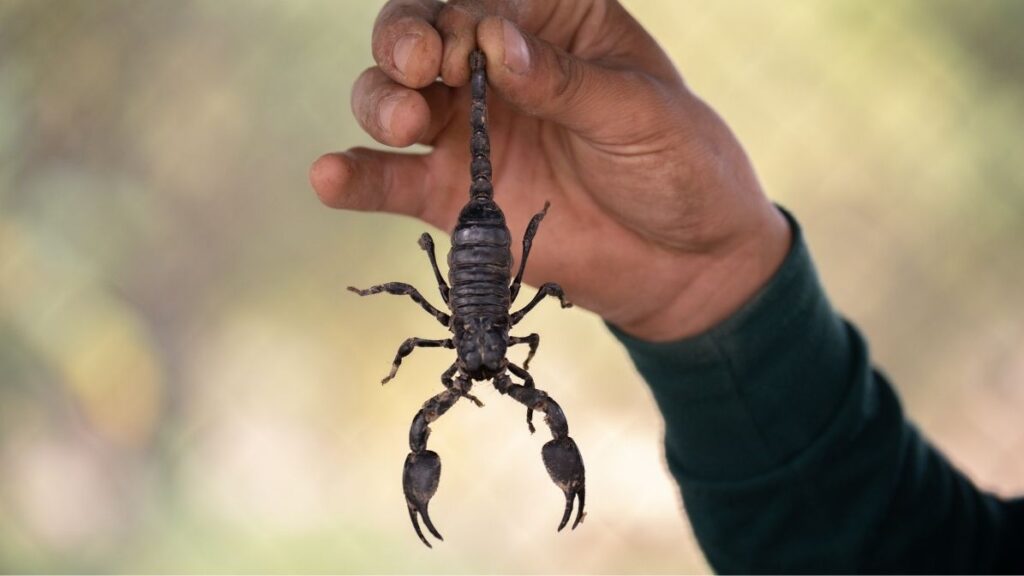
Most people do not think of themselves as participating in pest control, but the reality is that almost everyone does it in one way or another. You may never hire a pest control company, and you may never spray a product around your home, but if you remove a spider from your bathroom, set a mouse trap in the garage, or kill ants on your kitchen counter, you are still controlling pests.
That is really what pest control is. It is the act of managing unwanted pests around your home. Some people do it themselves, some people prefer not to use products and simply deal with pests as they appear, and others hire a professional to provide ongoing protection. The question is not whether you participate in pest control. The question is how you choose to do it, and whether that method is actually solving the problem.
Handling Pest Problems Yourself
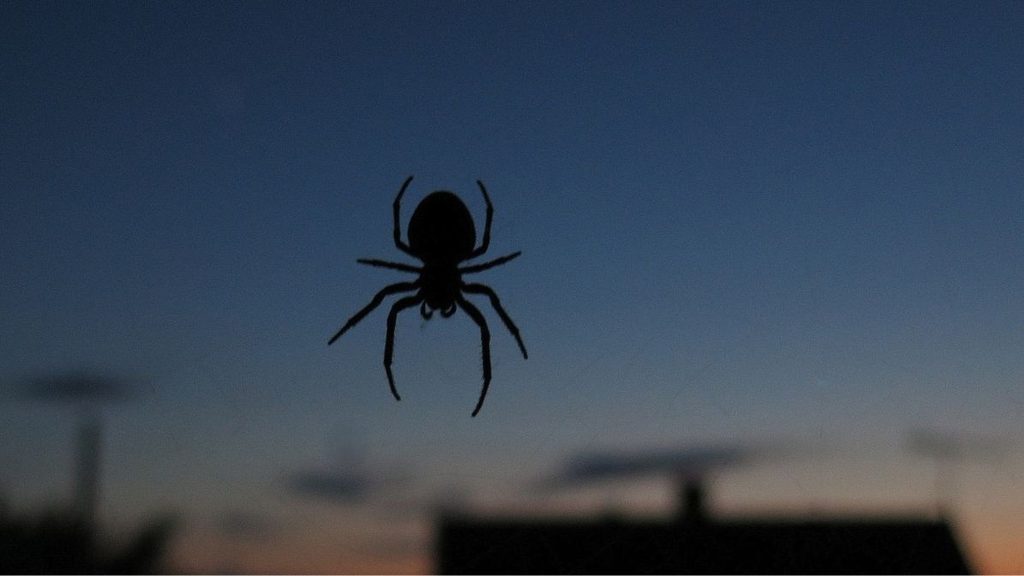
One of the most common approaches is to take care of pest problems on your own. When someone sees ants, spiders, cockroaches, beetles, or another pest inside the home, the natural reaction is often to buy a product from the store and treat the area. This can be inexpensive, convenient, and sometimes effective when the problem is small.
The challenge is that the pests you see are not always the entire problem. Ants may be coming from a colony hidden outside or inside a wall. Cockroaches may be living in cracks, appliances, cabinets, or other areas that are difficult to reach. Spiders may be showing up because there is another insect population nearby providing them with food. Killing the pest in front of you may solve the immediate problem, but it does not always address where the pest came from or why it keeps returning.
Another challenge with doing your own pest control is choosing the right product and using it correctly. Different pests often require different treatment methods, and more product does not necessarily mean better results. Homeowners should always read and follow the label carefully, because proper application matters just as much as the product itself.
DIY pest control can absolutely work in some situations, especially for small and isolated problems. The difficulty comes when the same pests continue showing up and the source of the problem is never identified.
The No Product Approach
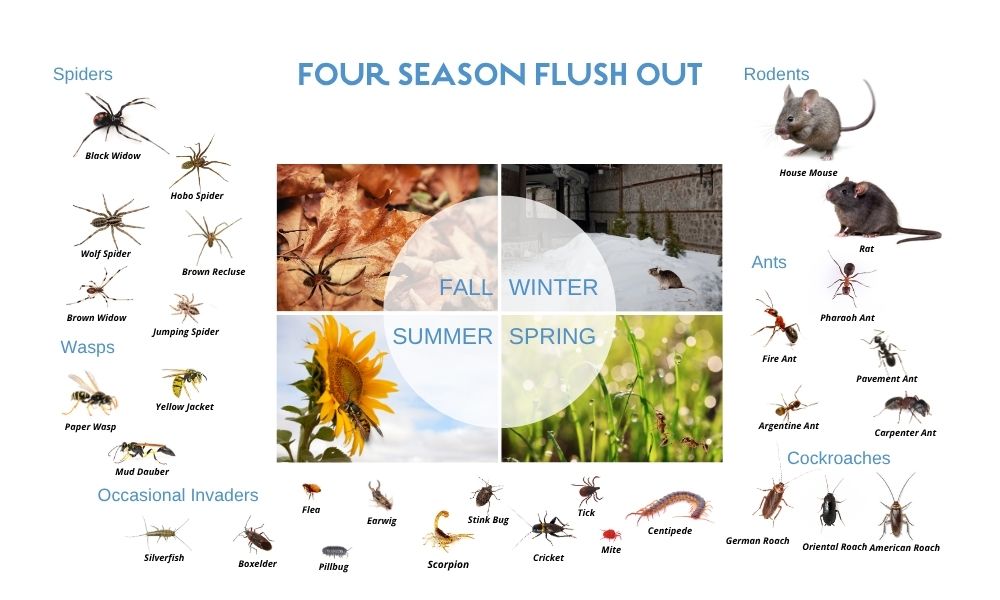
There is also a large group of people who prefer not to use pest control products at all. They may not want anything sprayed around the home, but they still respond when pests appear. A spider gets carried outside, a mouse gets trapped, ants get wiped off the counter, and insects are removed whenever they are found.
That is still a form of pest control because you are deciding where those pests are allowed to be. You may not be using chemicals or hiring a pest control company, but you are still taking action to control the pests inside your home.
For very occasional pest activity, this approach may be perfectly reasonable. If you see one spider every few months, there may not be much reason to worry. The problem begins when pests keep returning. Repeated pest activity can be a sign of an entry point, a nesting area, moisture, food, shelter, or another condition that is attracting pests to the property.
Removing one pest at a time may control what you see, but it does not always solve what is happening behind the scenes. At some point, many homeowners realize they are dealing with the same problem over and over again and need a more proactive approach.

Professional Pest Control
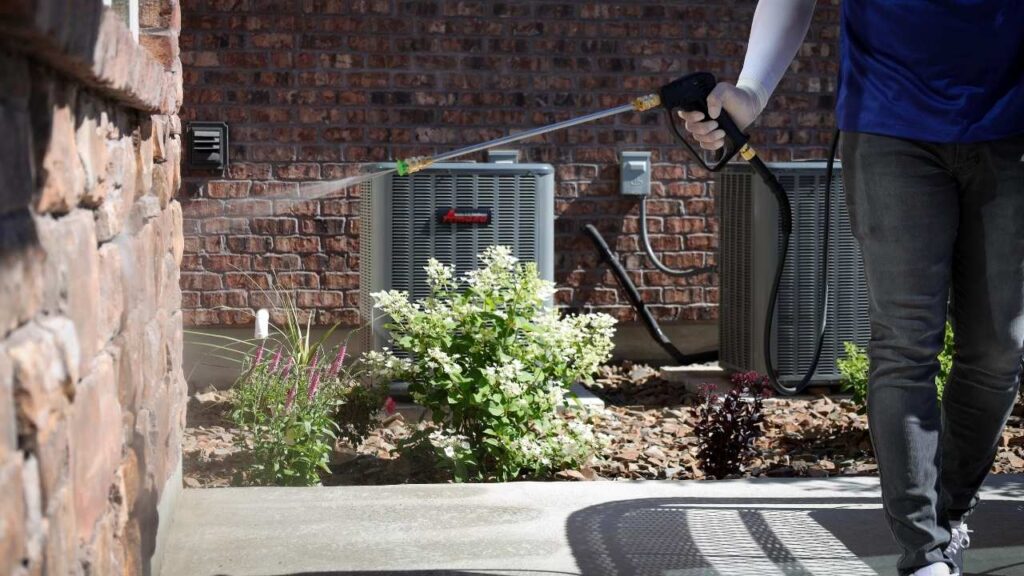
Professional pest control is another way homeowners choose to manage pests, especially when they want ongoing protection instead of reacting every time something appears. A trained pest control professional can inspect the property, identify signs of pest activity, look for entry points and problem areas, and build a treatment plan based on what is actually happening around the home.
This is one of the biggest differences between professional pest control and simply treating whatever you see. A good technician is not only looking for bugs. They are looking for the conditions that allow pests to live, hide, reproduce, and return. That can include cracks around the home, moisture near the foundation, vegetation touching the structure, food sources, nesting areas, and other factors that may not be obvious to the homeowner.
Professional pest control also gives homeowners the benefit of training and experience. Technicians typically receive education on pest behavior, treatment methods, product application, and safety requirements. That knowledge can be especially valuable when dealing with recurring problems or pests that are difficult to control.
Many professional pest control companies also offer guarantees or additional treatments if pests return between scheduled visits. At AIMVO Pest Control, for example, we offer a 100 percent money back guarantee along with unlimited additional treatments as needed. That gives homeowners another layer of protection when the original service does not completely solve the issue.
So What Type of Pest Control Is Right for You?
There is no single answer that works for every homeowner. Some people are comfortable taking care of small pest problems themselves. Others prefer to avoid products and deal with pests as they appear. Some want the consistency and convenience of having a professional handle everything.
What matters most is understanding that everyone participates in pest control somehow. The difference is whether you are reacting to pests one at a time, trying to manage the problem yourself, or taking a more proactive approach to prevent them from becoming a larger issue.
If the occasional spider or ant does not bother you, your current approach may be perfectly fine. If pests keep returning, however, it may be a sign that the problem is larger than what you can see. At that point, changing your pest control strategy may save you time, frustration, and repeated treatments in the future.